
Description
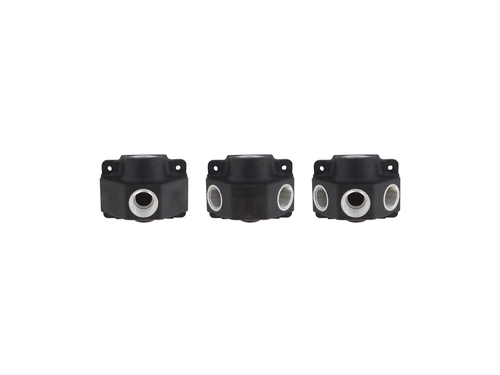
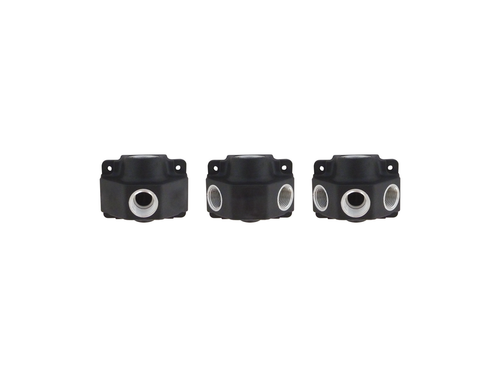
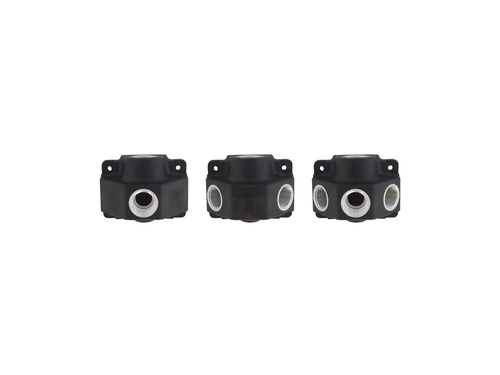
The 1 / 2 / 3 Outlet Terminal Block, complete with a spacer block, is engineered for optimal performance in electrical distribution systems, providing a reliable and efficient solution for connecting multiple circuits. This terminal block is designed to accommodate various wire sizes, ensuring compatibility with a wide range of applications. Its robust construction guarantees durability and longevity, making it suitable for both industrial and commercial environments. The inclusion of a spacer block allows for easy installation and enhanced organisation of wiring, facilitating a neat and orderly setup. With its user-friendly design, the terminal block enables quick and secure connections, reducing installation time and minimising the risk of errors. Ideal for use in control panels, machinery, and electrical enclosures, this terminal block ensures a safe and effective means of managing electrical connections, contributing to the overall efficiency and reliability of your electrical systems.
Features
 Constructed from durable polypropylene for enhanced chemical resistance and longevity.
- Features a stainless or polymer split ring for secure and reliable connections.
- Equipped with EPDM or NBR sealing elements to ensure leak-proof performance.
- Available in both metric and imperial pipe size options for versatile applications.
- Comprehensive fitting range including couplers, elbows, tees, and reducers for diverse installation needs.
- UV-resistant body designed to withstand harsh environmental conditions.
- Suitable for both potable and non-potable water systems, ensuring broad usability.
- Reusable on most sizes, promoting cost-effectiveness and sustainability in installations.
Applications
- Rural water supply systems for efficient distribution and management of water resources.
- Irrigation laterals and submains to facilitate effective agricultural water delivery.
- Livestock water systems ensuring reliable access to water for livestock in remote areas.
- Mining dewatering applications to manage groundwater levels and enhance operational efficiency.
- Plumbing transitions for seamless connections between different pipe materials and sizes.
- Pump and tank connections to ensure secure and leak-free fluid transfer in various settings.
- Civil works repairs for quick and durable solutions in infrastructure maintenance and upgrades.
- Temporary pipeline installations for flexible and rapid deployment in construction and emergency scenarios.