
Description
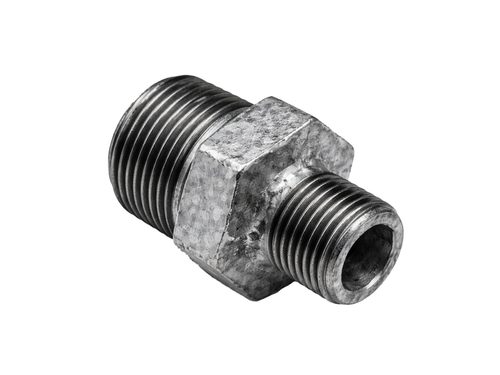
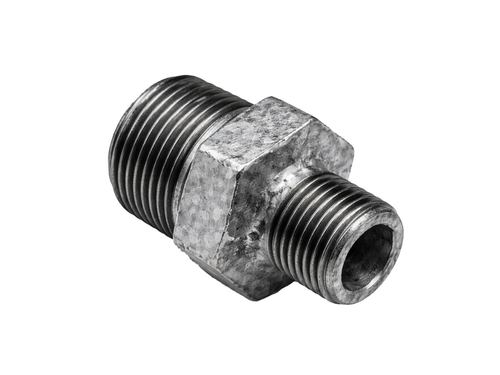
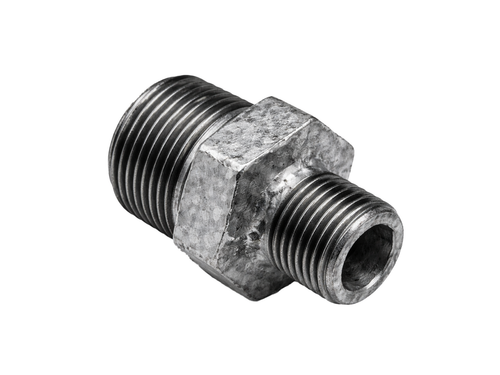
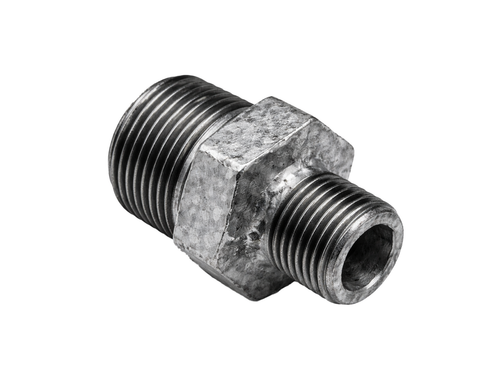
Reducing hex nipples are essential galvanised steel fittings designed to connect or adapt threaded piping systems, specifically transitioning from a larger to a smaller diameter. Their primary function is to ensure secure joints that maintain system reliability while supporting the safe transfer of fluids or gases. Commonly used in applications such as water distribution lines, compressed air networks, fire protection installations, irrigation systems, and industrial process piping, these fittings offer significant practical benefits. The galvanised coating provides excellent corrosion resistance, while their mechanical strength ensures dependable sealing in demanding environments. Ideal for engineers, maintenance teams, and procurement officers, reducing hex nipples are a vital component for efficient and safe piping solutions.
Features
- Constructed from high-strength galvanised steel for enhanced durability.
- Corrosion-resistant finish ensures longevity in harsh environments.
- Reliable threaded connections provide secure and leak-free joints.
- Designed for optimal sealing performance in industrial applications.
- Suitable for a wide range of industrial piping systems.
- Resistant to wear and tear, ensuring long-term service life.
- Facilitates easy installation and maintenance in complex setups.
- Meets rigorous industry standards for quality and performance.
Applications
- Used in water distribution systems to connect pipes of different diameters, ensuring efficient flow management.
- Essential components in compressed air pipelines, facilitating the transition between varying pipe sizes while maintaining pressure integrity.
- Integral to fire protection networks, allowing for the connection of hoses and fittings in emergency response systems.
- Commonly employed in irrigation systems, enabling the connection of mainlines to lateral lines for effective water delivery.
- Utilised in construction projects for joining steel pipes, providing robust connections in structural applications.
- Applied in industrial process piping to adapt to changes in pipe size, ensuring seamless operation in manufacturing environments.
- Critical in HVAC systems for connecting ductwork of different sizes, enhancing airflow efficiency.
- Used in chemical processing plants to connect various piping systems, ensuring safe and reliable transport of materials.