
Description
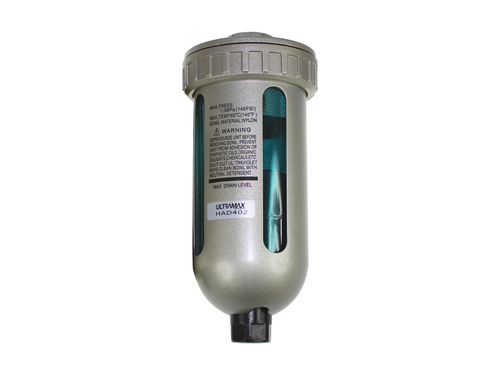
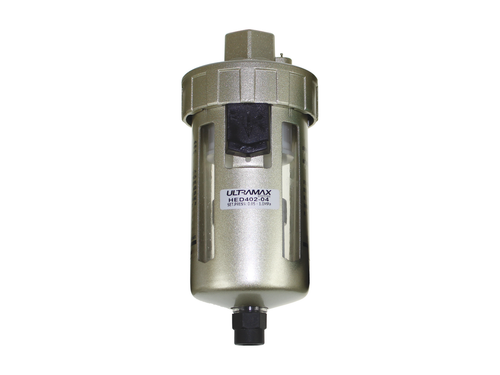
The Auto Drain Standard Series (HED402-04) is an essential component for maintaining optimal performance in compressed air systems. Designed to automatically remove accumulated condensate from air receivers and filters, this unit ensures that your pneumatic equipment operates efficiently and reliably. With a drain port size of 1/8", it effectively manages moisture levels, preventing corrosion and damage to machinery. Operating within a temperature range of 1˚C to 60˚C and capable of withstanding a maximum working pressure of 10 barg, this auto drain is ideal for various industrial applications, including manufacturing, automotive, and food processing. By integrating the HED402-04 into your system, you enhance air quality, reduce maintenance needs, and extend the lifespan of your equipment.
Features
- Automatic drainage system ensures efficient removal of condensate without manual intervention.
- Compact design allows for easy installation in various industrial applications.
- Robust construction provides durability and reliability in demanding environments.
- Compatible with a wide range of air preparation systems for versatile use.
- Designed to operate effectively within a broad temperature range for optimal performance.
- Integrated safety features prevent overflow and maintain system integrity.
- Low maintenance requirements reduce downtime and operational costs.
- Enhances overall system efficiency by ensuring clean, dry air supply.
Applications
- Used in pneumatic systems to automatically remove condensate from air lines, ensuring optimal performance.
- Ideal for applications in manufacturing plants where compressed air is essential for machinery operation.
- Utilised in packaging lines to maintain air quality and prevent moisture-related issues in packaging equipment.
- Employed in automotive assembly lines to keep pneumatic tools free from water contamination.
- Incorporated in industrial air distribution systems to enhance the reliability of air supply by eliminating water build-up.
- Applied in food processing facilities to ensure clean and dry air for equipment, preventing contamination.
- Used in textile manufacturing to maintain air quality for pneumatic textile machinery.
- Implemented in construction sites to keep pneumatic tools functioning efficiently in varying weather conditions.