Description
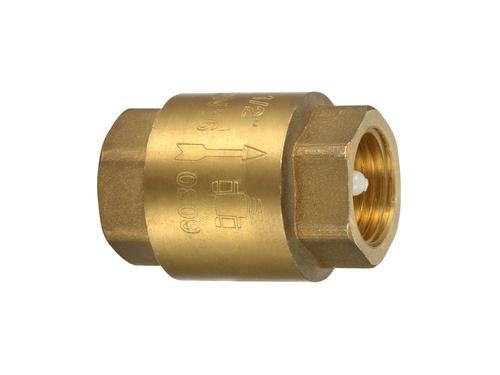
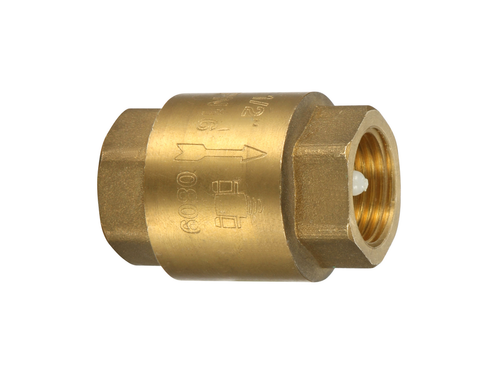
Spring check valves are essential components designed to prevent backflow in various industrial applications. With a size of 2 inches, these valves effectively isolate flow, ensuring that fluids move in one direction while safeguarding equipment from potential damage caused by reverse flow. Commonly used in manufacturing, mining, water treatment, and compressed air systems, spring check valves enhance operational efficiency by providing reliable performance and leak prevention. Their robust construction offers durability and corrosion resistance, making them suitable for harsh environments. By ensuring system safety and maintaining pressure regulation, these valves play a critical role in the smooth operation of pipelines and process plants, contributing to overall productivity and reliability.
Features
- Constructed from high-quality materials for enhanced durability and corrosion resistance.
- Designed for a nominal size of 2 inches, suitable for various industrial applications.
- Features a spring mechanism that ensures quick and reliable closure to prevent backflow.
- Compact design allows for easy installation in tight spaces without compromising performance.
- Operates effectively under a wide range of pressure conditions, ensuring consistent functionality.
- Equipped with a smooth sealing surface to minimise leakage and enhance operational efficiency.
- Compatible with a variety of fluids, including water, oil, and gas, for versatile use.
- Meets industry standards for quality and safety, ensuring reliable operation in critical systems.
Applications
- Used in fluid handling systems to prevent backflow in pipelines, ensuring efficient operation and system integrity.
- Applied in compressed air systems to maintain pressure and prevent reverse flow, enhancing equipment reliability.
- Utilised in water distribution networks to safeguard against contamination and maintain consistent water supply.
- Employed in gas pipelines to prevent backflow, ensuring safety and compliance with industry regulations.
- Integrated into steam systems to allow flow in one direction, preventing potential damage from reverse flow.
- Incorporated in process control systems to maintain flow direction, optimising production efficiency.
- Used for equipment isolation in various industrial applications, ensuring safe maintenance and operation.
- Implemented in HVAC systems to prevent backflow of air, improving system performance and energy efficiency.