Description
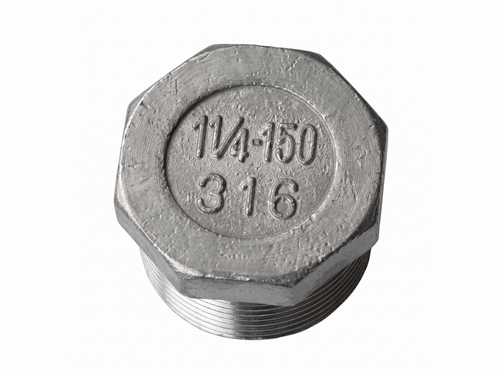
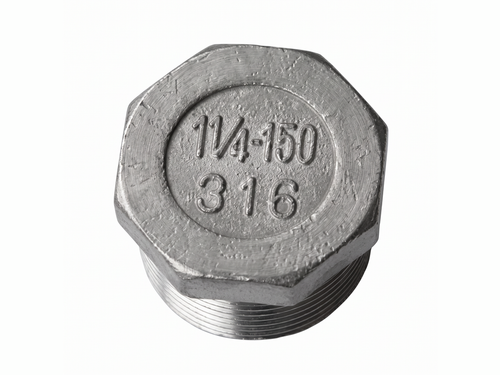
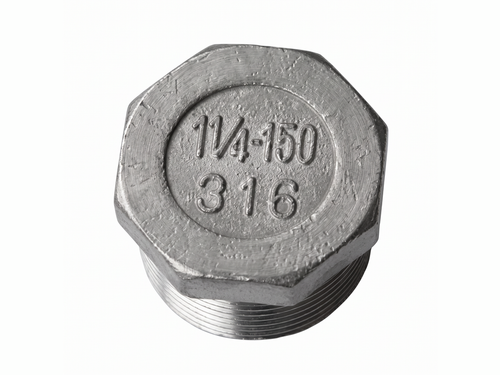
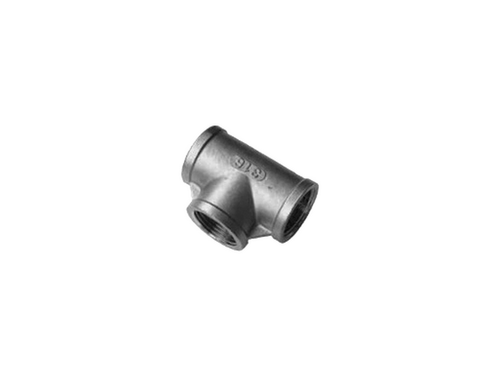
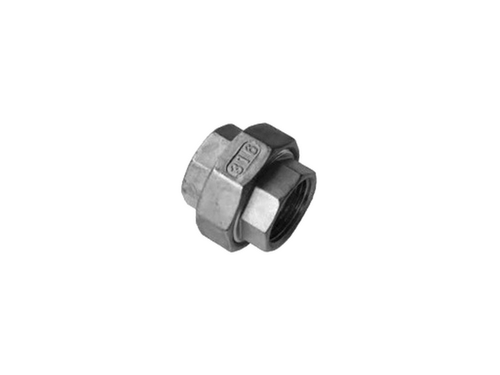
Stainless steel fittings, specifically plugs, are essential components designed to connect or adapt piping and tubing systems, ensuring secure joints and maintaining system reliability. With a size of 3 inches, these plugs play a critical role in supporting safe fluid or gas transfer across various applications, including hygienic process lines, water treatment systems, chemical handling installations, compressed air networks, and marine or coastal environments. Their practical benefits include excellent corrosion resistance, strength, and durability, making them ideal for demanding industrial conditions. Additionally, stainless steel fittings facilitate clean operation, ensuring that systems remain efficient and compliant with industry standards, ultimately enhancing the longevity and performance of your installations.
Features
- Exceptional corrosion resistance ensures longevity in harsh environments.
- High mechanical strength provides reliable performance under demanding conditions.
- Sealing reliability minimises leakage and enhances system integrity.
- Hygienic properties make them ideal for sanitary applications.
- Compatible with a wide range of industrial fluids and gases.
- Durable construction withstands extreme temperatures and pressures.
- Reliable performance in both harsh and clean environments.
- Designed for easy installation and maintenance, ensuring operational efficiency.
Applications
- Used in food and beverage processing lines to seal pipes and prevent contamination during maintenance.
- Essential in water treatment facilities for isolating sections of piping during repairs or upgrades.
- Commonly found in chemical plants to safely block off lines carrying hazardous materials.
- Utilised in pharmaceutical manufacturing to ensure sterile conditions by sealing unused ports.
- Applied in marine installations to prevent water ingress in vessel plumbing systems.
- Integral to industrial process piping for maintaining system integrity during shutdowns.
- Employed in HVAC systems to seal off ductwork during testing and maintenance.
- Used in hydraulic systems to prevent fluid leakage when components are removed or replaced.