Description
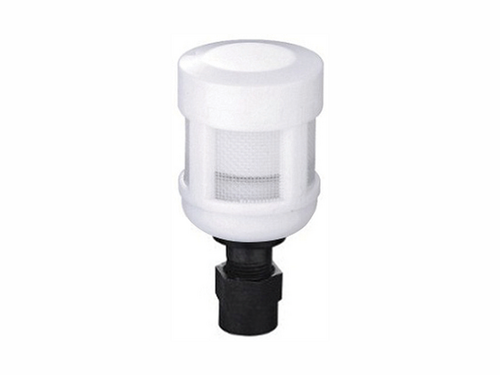
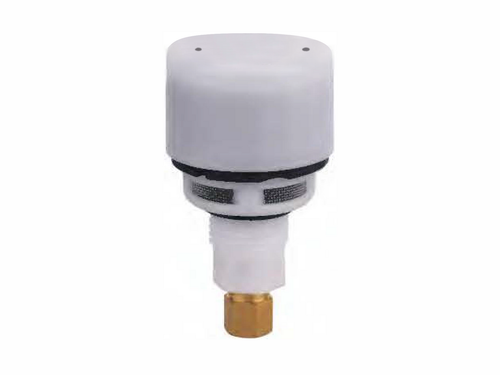
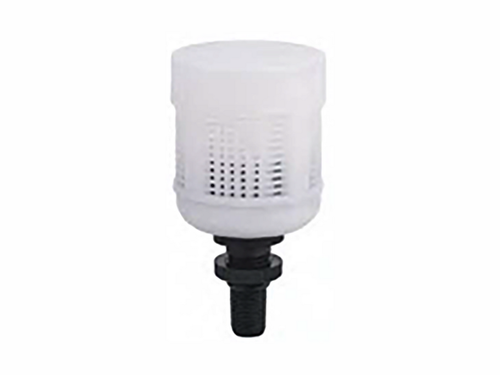
Internal Float Drains are essential components in condensate systems, designed to efficiently remove moisture and liquid contaminants from compressed air and steam systems. Their primary function is to collect condensate, preventing water accumulation that can lead to operational inefficiencies and equipment damage. These drains are typically used in applications such as compressed air networks, air dryers, filtration units, boiler installations, and various industrial processing equipment. By ensuring effective condensate removal, Internal Float Drains protect equipment, reduce downtime, and enhance air quality, ultimately contributing to reliable system performance and longevity. Ideal for engineers, maintenance teams, and procurement officers, these drains are a critical investment for maintaining optimal operational conditions in industrial environments.
Features
- Efficient moisture removal to enhance system performance.
- Automatic drainage mechanism for continuous operation.
- Constructed with corrosion-resistant materials for longevity.
- Designed for reliable operation in demanding industrial environments.
- Durable construction ensures minimal maintenance requirements.
- Optimised for efficient condensate handling across various applications.
- Suitable for integration with AIRTAC AD400 systems.
- Robust design withstands temperature variations from 5-60°C.
Applications
- Efficient condensate removal in compressed air systems to prevent moisture accumulation and maintain system integrity.
- Integration with refrigeration equipment to manage condensate from evaporators, ensuring optimal cooling performance.
- Utilisation in steam boilers for effective drainage of condensate, enhancing energy efficiency and reducing water treatment costs.
- Application in air dryers to eliminate moisture, preventing corrosion and extending the lifespan of downstream equipment.
- Incorporation into filtration systems to manage condensate and maintain filter performance in industrial processes.
- Deployment in industrial process lines to ensure consistent operation by removing condensate that could disrupt production.
- Use in pneumatic systems to manage condensate build-up, ensuring reliable operation of pneumatic tools and machinery.
- Installation in HVAC systems to effectively drain condensate, improving air quality and system efficiency.